History Project: Primary Source Exhibit
Temperance/Anti-Alcohol Movement
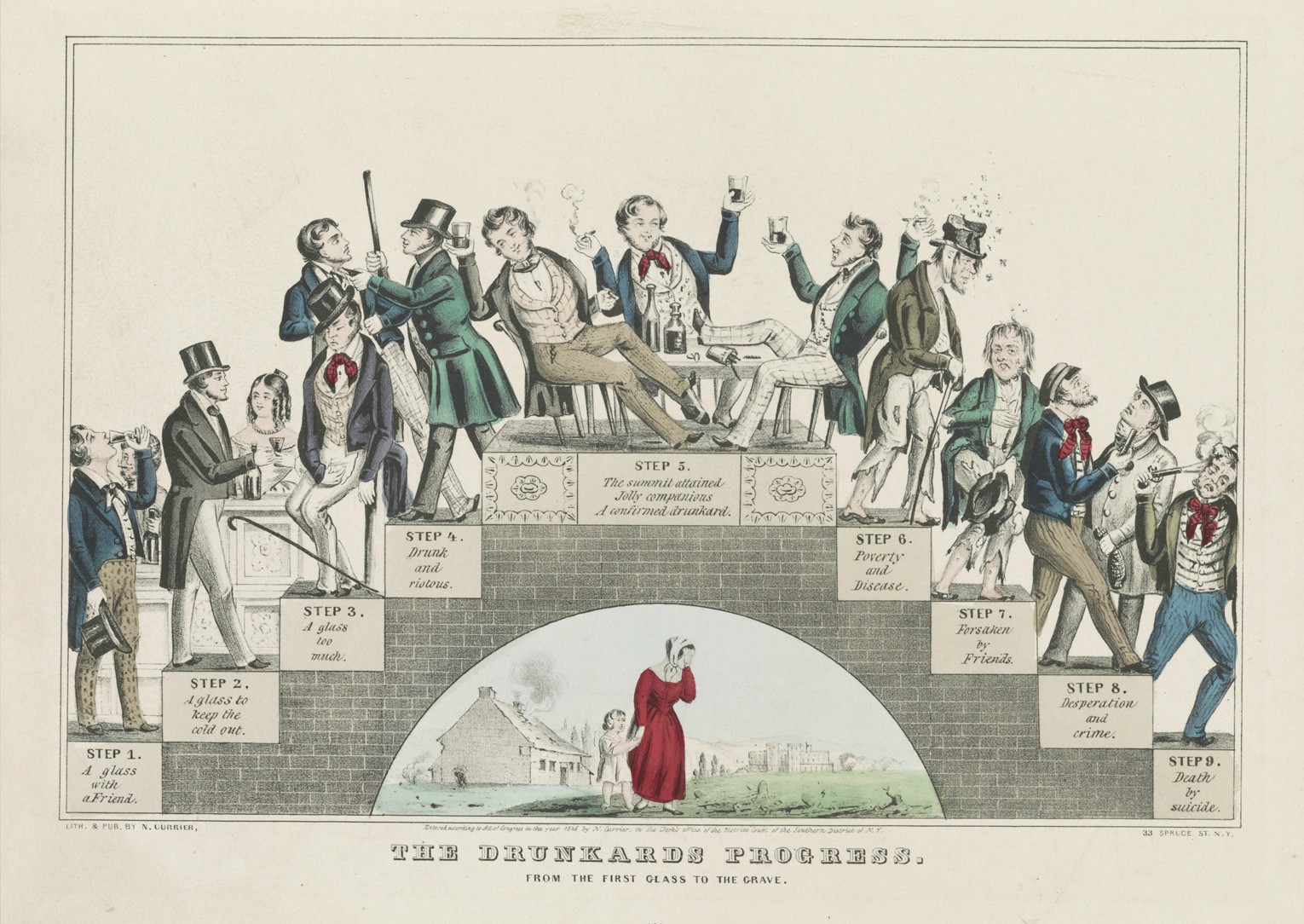
A famous 1846 temperance movement lithograph by Nathaniel Currier that depicts the "inevitable" nine-step decline of a man from his first social glass of alcohol to his ultimate ruin.
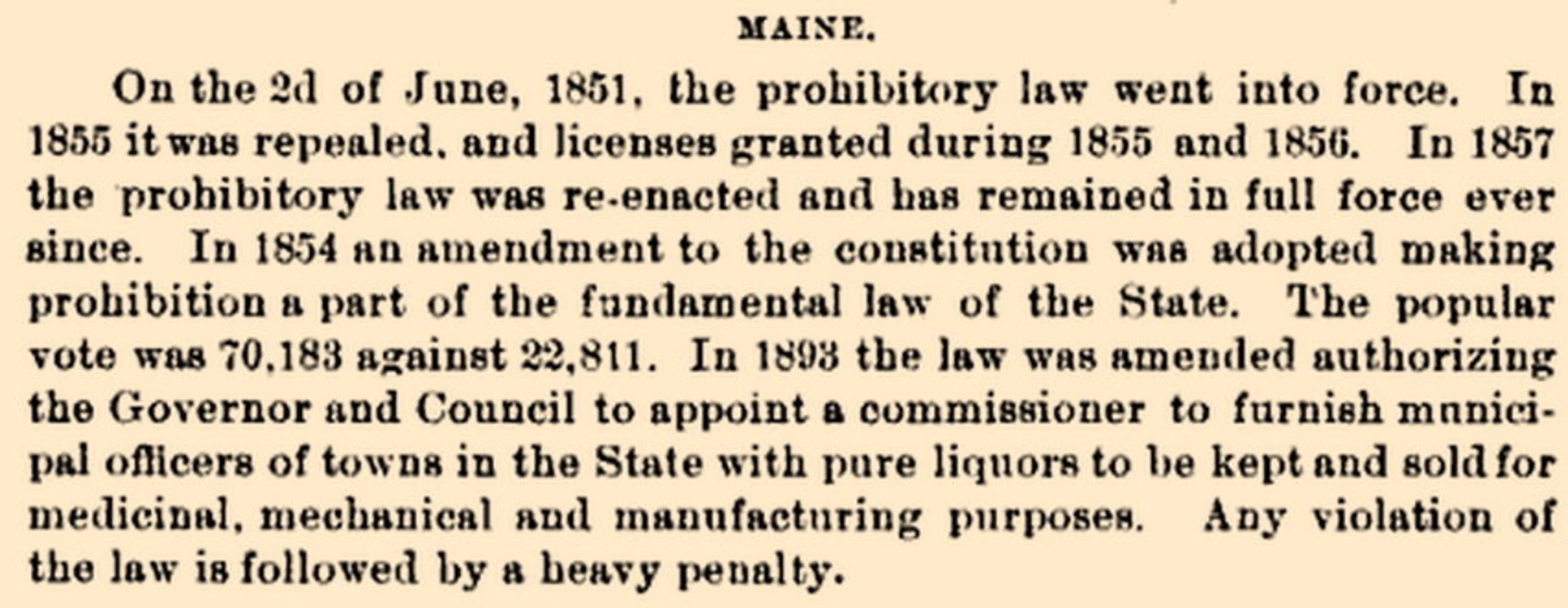
The first state law in the United States to prohibit the manufacture and sale of intoxicating liquors, serving as a pioneering model for the temperance movement.
Workplace Reform/Labor Movement
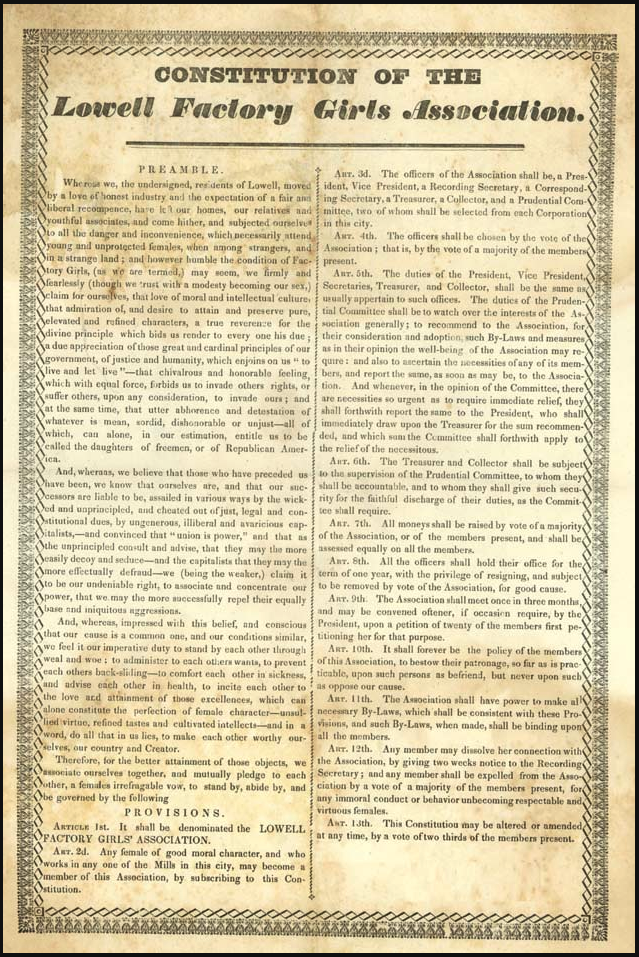
A series of pioneering political actions in which female textile workers organized mass signature campaigns to pressure the Massachusetts state legislature for improved working conditions and a ten-hour workday.
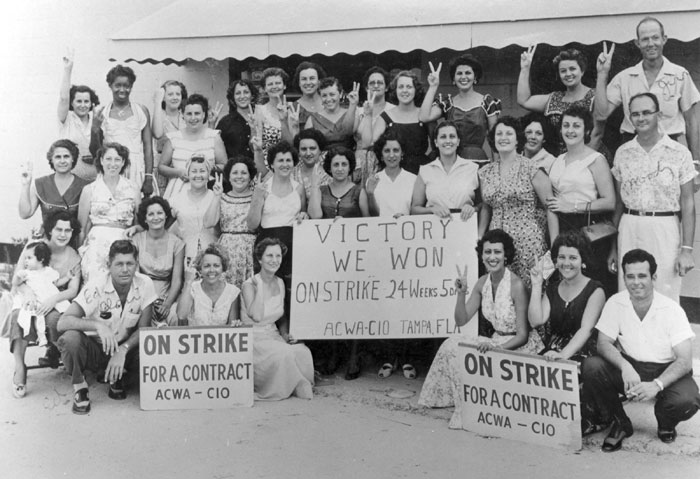
A landmark Massachusetts Supreme Court decision that established that labor unions were not inherently illegal conspiracies and affirmed that workers had the legal right to organize and strike to achieve lawful goals.
Prison & Asylum/Health Reform
.jpeg)
The world's first national code of ethical conduct for physicians, established to standardize medical practice and define the reciprocal duties between doctors, their patients, and the public./h1>
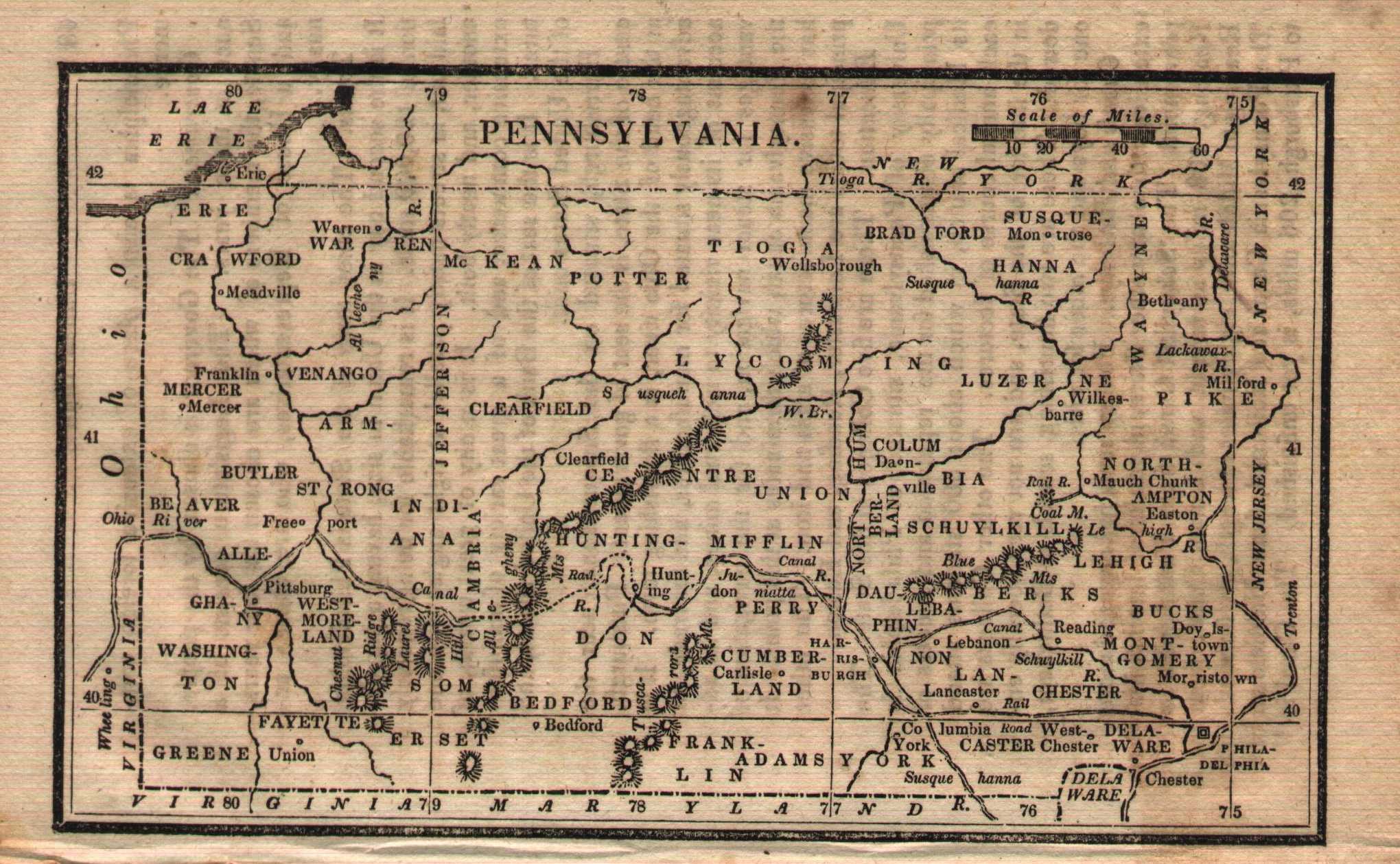
A series of annual legislative and administrative documents that detailed the operation, perceived successes, and controversial disciplinary practices of the state's pioneering solitary confinement model at Eastern State Penitentiary.
Education Reform
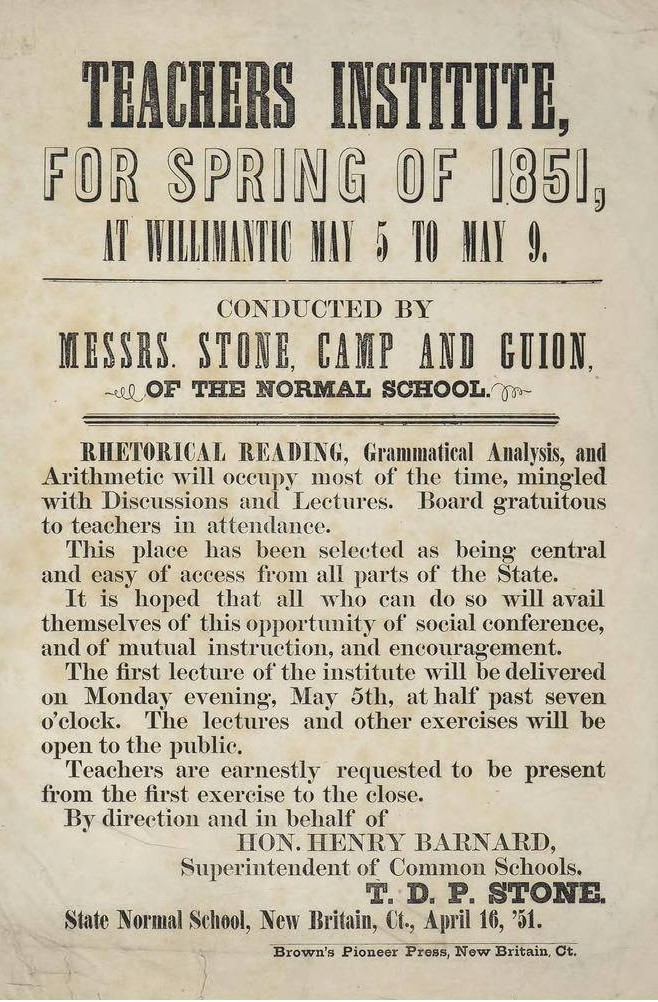
Most notably those by Horace Mann, were influential public addresses that championed the common school movement by arguing that universal, tax-funded, and non-sectarian education was essential for preserving democracy and ensuring social stability.
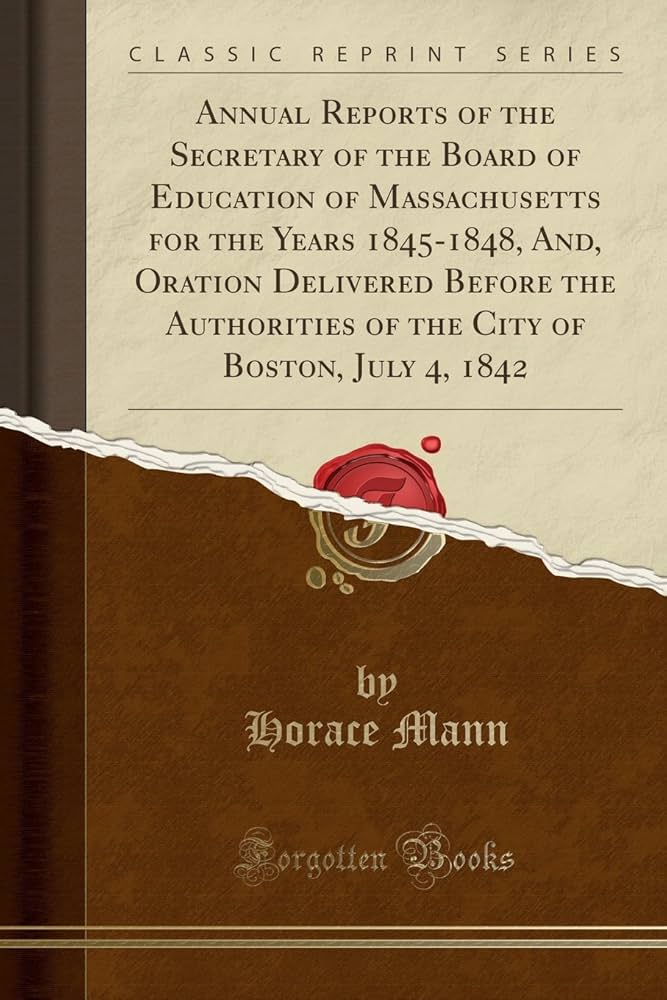
Authored primarily by Horace Mann, were twelve influential annual documents that advocated for universal, non-sectarian public education as a means to ensure democratic stability and social equality.
Religion/Second Great Awakening
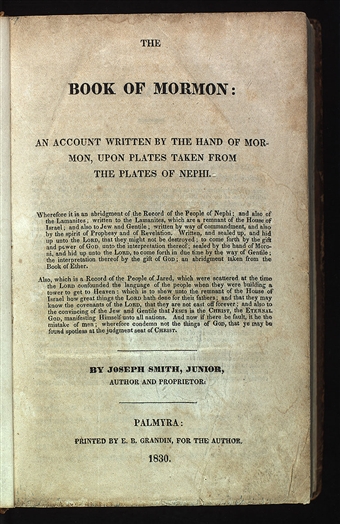
A sacred text of the Latter Day Saint movement that chronicles the religious history of ancient civilizations in the Americas and serves as a testament of Jesus Christ alongside the Bible.
.jpeg)
A seminal work of the Second Great Awakening that provided a practical manual for conducting religious revivals, arguing that spiritual awakening could be systematically produced through specific "new measures" and human agency.
Abolition/Anti-Slavery Movement
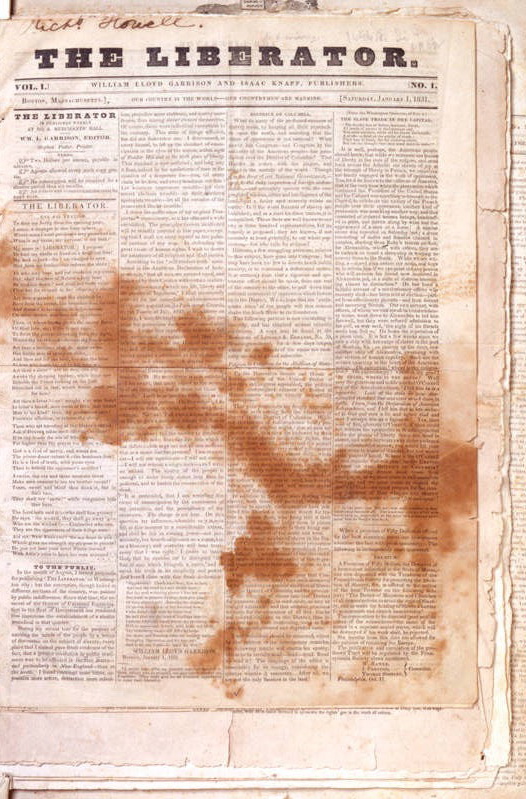
A weekly abolitionist newspaper founded by William Lloyd Garrison that became the most influential voice of the radical antislavery movement by demanding the immediate and uncompensated emancipation of all enslaved people in the United States.
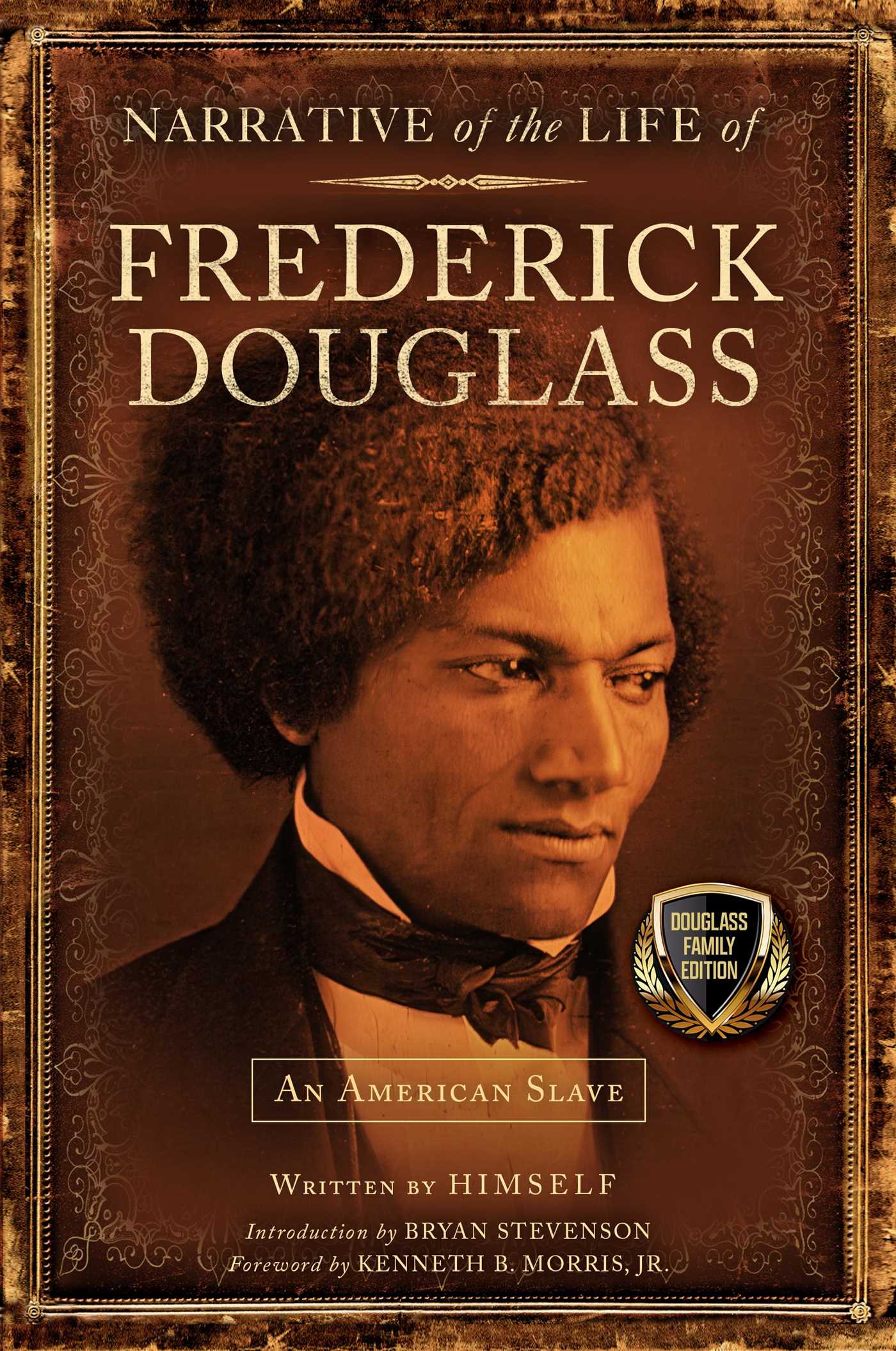
A powerful autobiographical account of Douglass's journey from enslavement to freedom that became a bestseller and a vital tool for the abolitionist movement by providing a firsthand indictment of the cruelty and hypocrisy of slavery.
Women's Rights Movement
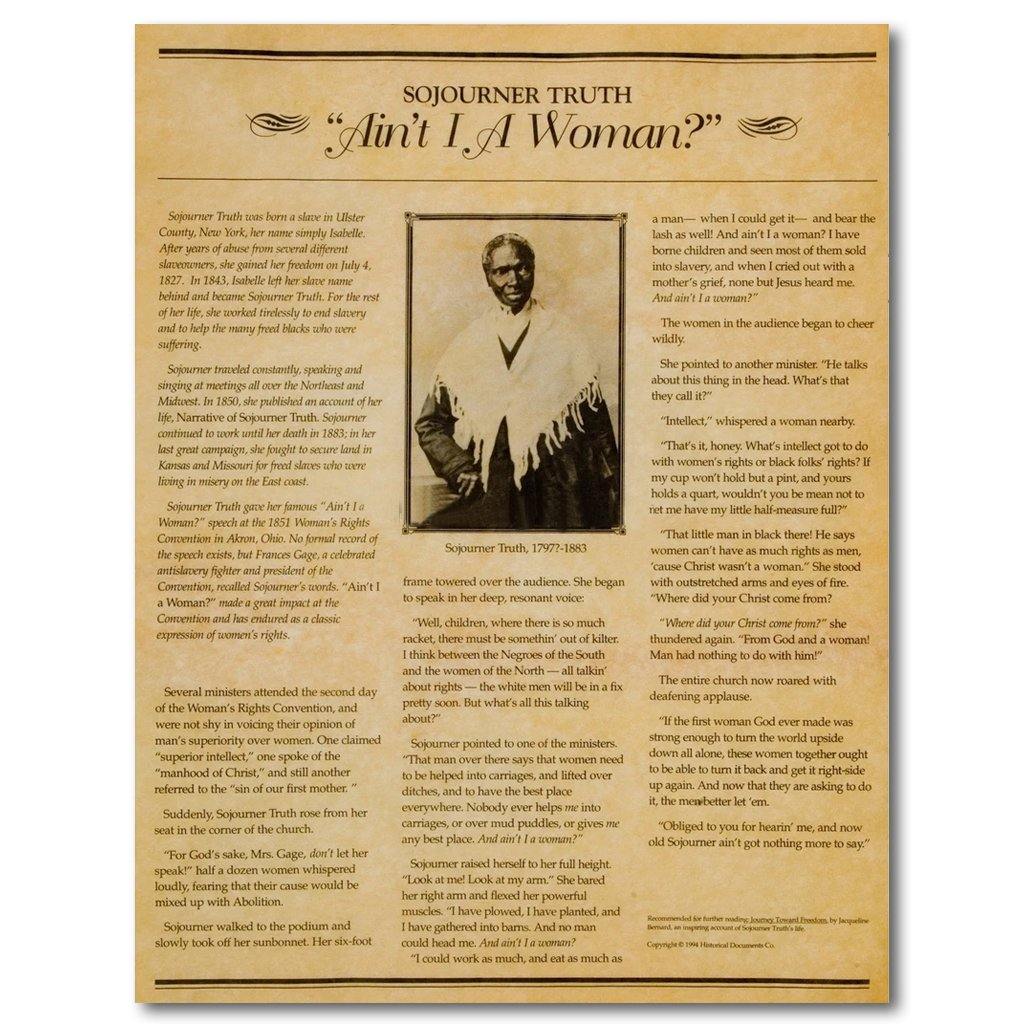
A powerful improvised address at the Women's Rights Convention in Akron, Ohio, that challenged prevailing notions of racial and gender inferiority by highlighting the unique intersectional struggles and strength of Black women.
.jpeg)
One of the first systematic American defenses of women's rights, arguing that God created men and women as moral equals and that women should have the same legal and educational opportunities as men.
Transcendentalism/Philosphical/Literary Movement
.djvu.jpg)
Served as the foundational manifesto of Transcendentalism, urging individuals to reject traditional social dogmas and instead seek a direct, mystical relationship with the divine through the natural world.